




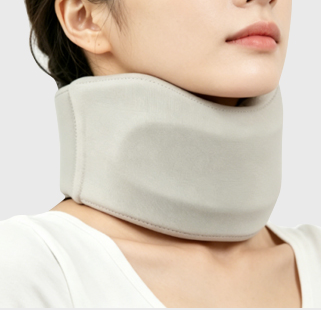
What Is A Cervical Collar? Types, Uses, And Benefits
A cervical collar is a medical support device worn around the neck to help stabilize the cervical spine and limit neck movement. It is commonly used after certain neck injuries, during recovery from surgery, or when a healthcare professional determines that cervical support is necessary. Cervical collars are available in soft and rigid designs, depending on the level of support required.
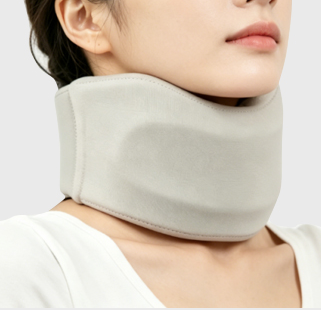
1. What Is a Cervical Collar Used For?
A cervical collar helps support the neck and restrict movement when medically indicated. Its specific purpose depends on the patient's condition and the type of collar prescribed.
Common applications include:
Supporting the neck after certain injuries.
Limiting cervical movement during recovery from selected procedures.
Providing prescribed support for specific cervical spine conditions.
For example, a patient recovering from cervical spine surgery may be instructed to wear a rigid cervical collar to restrict movement during a designated recovery period. The type of collar and duration of use should follow the treating clinician's instructions.
2. What Are the Different Types of Cervical Collars?
Cervical collars generally fall into two main categories.
Soft cervical collars: Usually made from foam or other flexible materials, these collars provide light support and may be recommended for selected conditions involving neck discomfort.
Rigid cervical collars: Made with firmer materials, these collars restrict neck movement more than soft collars. They may be used when greater stabilization is required, including certain injuries or postoperative situations.
For instance, a soft collar may be prescribed for short-term support in a suitable case, while a rigid collar may be required when a clinician determines that stricter movement control is necessary.
3. How Do You Choose the Right Cervical Collar?
Choosing a cervical collar involves more than selecting a comfortable design. Important factors include neck measurements, the required level of support, fit, material, and the medical condition being treated.
A collar that is too loose may not provide the intended support, while one that is too tight may cause pressure, skin irritation, or discomfort.
For example, a patient prescribed a rigid collar should use the correct model and size recommended by the healthcare professional. Medical devices should be fitted according to the manufacturer's instructions and clinical guidance.
4. How Long Should You Wear a Cervical Collar?
The wearing period depends on the reason for treatment, the type of collar, and the patient's recovery progress. Some collars are intended for limited use, while others may be prescribed for several weeks following specific injuries or procedures.
For example, postoperative patients may receive an individualized wearing schedule based on the procedure and follow-up assessment. They should not discontinue or change the prescribed use without consulting their healthcare professional.
Prolonged or unnecessary collar use can contribute to skin problems and neck muscle deconditioning, so the duration should be guided by the treating clinician.
5. How Should You Care for a Cervical Collar?
Proper care helps maintain hygiene, comfort, and device condition.
Follow the manufacturer's cleaning instructions.
Check the skin regularly for redness, irritation, or pressure marks.
Inspect straps, fasteners, and padding for wear or damage.
Keep the collar correctly positioned according to the fitting instructions.
For example, removable padding should only be cleaned or replaced according to the device instructions. If the collar becomes damaged or no longer fits properly, contact the healthcare provider or supplier for guidance.
Conclusion
A cervical collar is a neck support device designed to restrict movement and provide stabilization when medically necessary. Soft and rigid collars serve different purposes, so the appropriate choice depends on the patient's condition and required level of support.
Before selecting or using a cervical collar, consult a qualified healthcare professional about the correct type, fit, and wearing schedule. Proper fitting and follow-up help support safe and appropriate us