




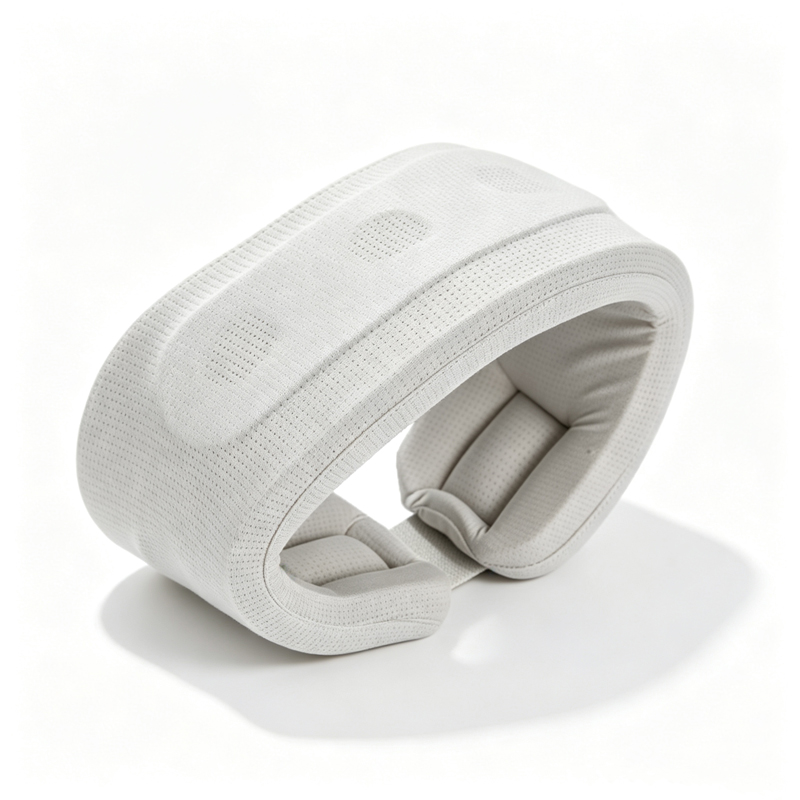
How to Apply a Cervical Collar: A Step-by-Step Guide
Applying a cervical collar correctly is important for supporting the neck and limiting unwanted movement when medically indicated. Whether a cervical collar is recommended after an injury, surgery, or for a specific neck condition, proper positioning and fit can help improve comfort and reduce unnecessary pressure. This guide explains how to apply a cervical collar, why correct placement matters, and what to know about wearing and adjusting one safely.
1. How to Apply a Cervical Collar Correctly
The correct application method depends on the collar design and the patient's medical condition. A soft cervical collar may be relatively simple to position, while a rigid cervical collar used after an injury may require professional assistance.
Follow these general steps when applying a collar that has been recommended by a healthcare professional:
Step 1: Check the collar and instructions
Confirm that the collar is the correct type and size. Inspect the fasteners, padding, and supporting structure for damage. Read the manufacturer's instructions before use.
Step 2: Position the neck correctly
Keep the head and neck in the position recommended by the healthcare professional. Do not force the neck into a straight or neutral position if doing so causes pain or if a serious injury is suspected.
If a significant neck injury is possible, avoid moving the head or attempting to apply a collar yourself. Call emergency services and follow their instructions.
Step 3: Place the collar around the neck
For a typical two-piece rigid collar, trained caregivers may position the rear section behind the neck before placing the front section beneath the chin. The chin should rest securely in the designated support area.
For a soft collar, position the padded section around the neck according to the manufacturer's instructions. Do not substitute one application method for another, as collar designs vary.
Step 4: Secure the fasteners
Fasten the collar evenly without overtightening it. The collar should provide the prescribed level of support without causing excessive pressure on the throat, jaw, or skin.
Step 5: Check the fit
Make sure the chin is properly supported, the collar remains in the intended position, and breathing and swallowing are not restricted. Check for excessive pressure, discomfort, or skin irritation.
Do not adjust a prescribed rigid collar beyond the clinician's instructions. If the fit is incorrect, seek assistance from a qualified healthcare professional.
2. Why Is Proper Cervical Collar Application Important?
Correct cervical collar application matters for several reasons.
Neck support and movement control
A cervical collar is designed to support the neck and, depending on its type, restrict certain movements. It may be prescribed for selected injuries, postoperative care, or other cervical conditions. The degree of movement restriction varies by collar design.
Comfort and skin protection
An incorrectly fitted collar can create pressure points around the chin, jaw, shoulders, and back of the neck. Prolonged pressure and moisture can contribute to skin irritation or pressure injuries, particularly in people with limited mobility.
Maintaining the intended treatment plan
Different conditions require different levels of support. A soft collar is not equivalent to a rigid cervical collar, and neither should be used as a substitute for an individualized treatment plan. Correct sizing and application help the device function as intended.
3. Can You Apply a Cervical Collar by Yourself?
Whether you can apply a cervical collar independently depends on the device and your condition.
A person using a soft collar for a minor condition may be able to put it on independently after receiving instructions. However, a rigid collar prescribed after a fracture, significant trauma, or surgery may require assistance or a specific application technique.
For patients with suspected spinal injury, self-application is not recommended. Unnecessary neck movement may worsen an injury. Seek emergency medical assistance rather than attempting to reposition the neck or fit a collar without professional guidance.
Practical example: A patient recovering from cervical surgery may be instructed to wear a rigid collar when getting out of bed. The clinical team should demonstrate the prescribed technique, including whether assistance is needed and how to maintain neck alignment during application.
4. How Tight Should a Cervical Collar Be?
A cervical collar should fit securely enough to provide the prescribed support without causing excessive pressure.
A collar that is too loose may shift out of position and fail to provide the intended support. A collar that is too tight may cause discomfort, skin irritation, or difficulty swallowing or breathing.
Check the following after application:
The chin rests in the designated support area.
The collar does not slide or rotate excessively.
The skin is not experiencing persistent pressure or irritation.
Breathing and swallowing remain comfortable.
The collar matches the prescribed size and positioning instructions.
There is no single universal tightness measurement for every cervical collar. Follow the manufacturer's fitting instructions and the healthcare professional's recommendations.
If the collar causes new or worsening pain, numbness, weakness, difficulty swallowing, or breathing problems, seek prompt medical advice. Breathing difficulty or rapidly worsening neurological symptoms require emergency assessment.
5. How Long Should You Wear a Cervical Collar?
The recommended wearing time depends on the reason for treatment, the severity of the condition, and the type of collar.
Some people may be advised to use a soft collar for short periods, while patients with certain fractures or postoperative conditions may need a rigid collar for a longer, prescribed period. These situations are not interchangeable.
Do not extend or shorten the prescribed wearing schedule without consulting the treating clinician. Removing a collar too early may compromise the intended treatment, while unnecessary prolonged use can contribute to stiffness, muscle deconditioning, or skin problems.
Practical example: A patient recovering from a cervical fracture may receive instructions to wear a rigid collar continuously except during specifically approved care activities. Another patient with uncomplicated neck discomfort may receive different instructions. The treatment plan, rather than a general online schedule, should determine wearing time.
6. What Evidence Supports Proper Cervical Collar Use?
Clinical evidence highlights the importance of selecting cervical immobilization according to the patient's condition rather than assuming that every neck problem requires a collar.
For example, the American College of Radiology's ACR Appropriateness Criteria® Acute Spinal Trauma provides evidence-based guidance on imaging and evaluation after suspected spinal trauma. The National Institute for Health and Care Excellence (NICE) also provides guidance on spinal injury assessment and management.
These resources emphasize the need for appropriate clinical assessment when serious spinal injury is suspected. They do not establish one universal collar-fitting technique or wearing schedule for every patient.
For practical application, three factors should guide safe use:
Correct device selection: The collar must match the clinical indication and required level of support.
Appropriate fitting: Size, chin position, fastening, and pressure distribution should be checked.
Clinical follow-up: Wearing time, skin checks, and adjustments should follow the treatment plan.
Healthcare professionals should refer to current clinical guidelines and the specific manufacturer's instructions when selecting and fitting a cervical collar.
Conclusion
Knowing how to apply a cervical collar correctly can help support the neck, improve comfort, and reduce avoidable fitting problems. The essential steps are to select the correct device, maintain the prescribed neck position, secure the collar appropriately, and check the fit without restricting breathing or swallowing.
However, collar application is not a substitute for medical assessment. Suspected neck injuries, rigid collar use after trauma, and postoperative care may require professional fitting and monitoring. Always follow the healthcare professional's instructions and the device manufacturer's guidance to ensure appropriate use.
Frequently Asked Questions
Q1: Should a cervical collar cover the chin?
The chin should rest in the designated support area of a collar designed to provide chin support. The exact position depends on the collar model.
Q2: Can a cervical collar be worn while sleeping?
Some prescribed collars must be worn during sleep, while others may not be necessary at night. Follow the specific instructions provided by your healthcare professional.
Q3: What should I do if my cervical collar feels uncomfortable?
Check for visible displacement or damaged fasteners, but do not make major adjustments to a prescribed rigid collar yourself. Contact your healthcare professional if discomfort persists or if you develop skin irritation, numbness, swallowing difficulties, or worsening pain.