




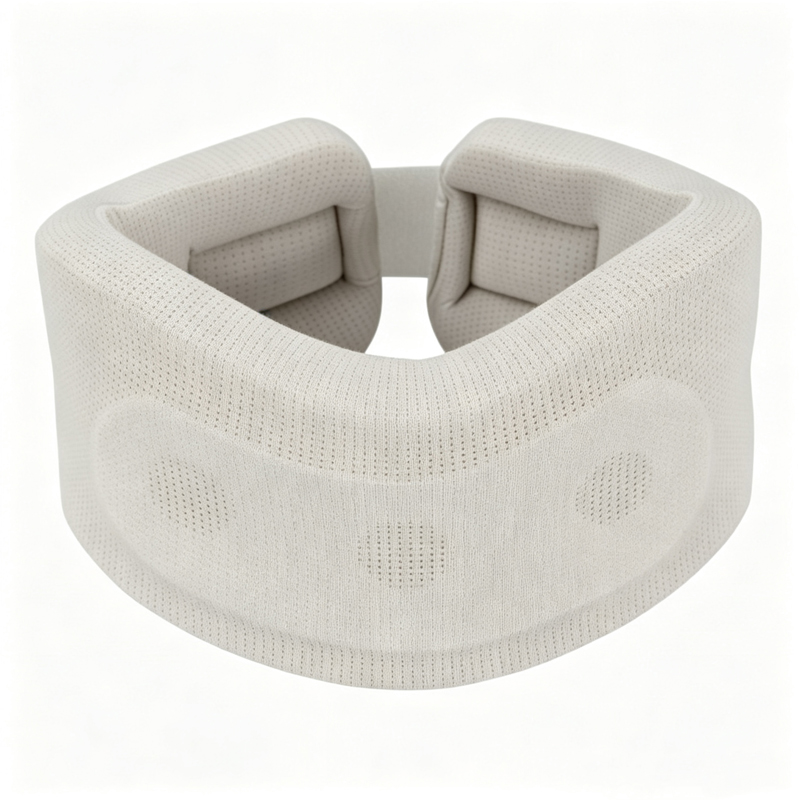
Can You Sleep in a Neck Brace? What You Need to Know
Can you sleep in a neck brace? Yes, in some cases, but it depends on the type of neck brace, your medical condition, and your healthcare provider's instructions. Some patients are required to wear a cervical collar while sleeping after a neck injury or surgery, while others may be advised to remove it at night. Understanding when to wear a neck brace in bed, how to improve comfort, and what warning signs to watch for can help you use the device safely.
1. Can You Sleep in a Neck Brace?
Whether you can sleep in a neck brace depends primarily on why you are wearing it.
For patients recovering from certain cervical fractures or neck surgeries, a rigid cervical collar may need to remain in place throughout the night. Removing it without medical approval could compromise the prescribed immobilization plan.
For people using a soft cervical collar for temporary neck discomfort, nighttime use may not be necessary. A healthcare professional can determine whether wearing the collar during sleep is appropriate.
Before going to bed, consider these guidelines:
Follow the prescribed wearing schedule, including any nighttime requirements.
Check that the collar is positioned correctly and that its fasteners are secure.
Make sure the collar does not interfere with comfortable breathing or swallowing.
Inspect the skin for redness, pressure marks, or irritation.
Do not remove or loosen a prescribed rigid collar unless your healthcare professional has instructed you to do so.
If you are unsure whether your neck brace should stay on overnight, contact your treating clinician rather than relying on general advice.
2. Why Might You Need to Wear a Neck Brace While Sleeping?
A healthcare professional may recommend nighttime neck brace use for several reasons.
Maintaining Neck Stability
After certain neck injuries or surgical procedures, the cervical spine may require support while healing. A prescribed rigid collar can help limit specific neck movements during everyday activities, including sleep.
However, not every neck condition requires immobilization. The decision depends on the diagnosis and the level of support needed.
Supporting Postoperative Recovery
Following cervical spine surgery, some patients receive instructions to wear a neck brace continuously for a specified period. Others may not need a brace at all.
For example, a patient recovering from cervical fusion may be instructed to wear a rigid collar in bed until a follow-up appointment. Another patient undergoing a different procedure may receive a different plan. The surgeon's instructions should determine nighttime use.
Reducing Unnecessary Neck Movement
Some collars are prescribed to restrict movement after an injury. Wearing the device as directed may help maintain the intended neck position during sleep, when a person cannot consciously control every movement.
A neck brace should not be used solely to improve sleep or treat ordinary neck pain without appropriate guidance.
3. What Is the Best Sleeping Position With a Neck Brace?
The recommended sleeping position depends on your injury, the type of brace, and your clinician's instructions. For many people who have been cleared to sleep in a cervical collar, keeping the neck in the prescribed alignment is important.
Sleeping on Your Back
Back sleeping may make it easier to keep the head and neck aligned. Use a pillow arrangement recommended by your healthcare professional to avoid pushing the chin too far forward or allowing the head to tilt excessively.
Sleeping on Your Side
Side sleeping may be permitted for some patients. If approved, the pillow should help keep the head aligned with the torso rather than tilting it upward or downward.
Patients recovering from serious cervical injuries or surgery should confirm their permitted sleeping positions with their care team.
Should You Sleep on Your Stomach?
Stomach sleeping generally requires the head to turn to one side and may place additional rotational stress on the neck. It may be unsuitable for people who need cervical immobilization.
If you have been prescribed a rigid collar after an injury or surgery, ask your healthcare professional which sleeping positions are safe for your condition.
4. How Can You Sleep More Comfortably in a Neck Brace?
Wearing a neck brace overnight can feel restrictive, especially during the first few nights. Several practical steps may help improve comfort without compromising the prescribed support.
Choose appropriate bedding. Use a pillow that supports the head without forcing the neck out of its prescribed position. Avoid adding multiple pillows unless your clinician recommends them.
Check the fit before bedtime. The collar should sit in the correct position, with the chin supported as intended. A collar that shifts or presses excessively against the skin may need professional adjustment.
Keep the skin clean and dry. Moisture beneath the padding can increase irritation. Follow the manufacturer's cleaning instructions and your healthcare team's guidance on skin care.
Avoid unauthorized adjustments. Do not loosen, reshape, or remove a rigid collar simply because it feels uncomfortable. Contact your healthcare professional if you cannot sleep comfortably with the prescribed device.
If the collar causes breathing difficulty, swallowing problems, new numbness, or worsening pain, seek prompt medical advice. Breathing difficulty or rapidly worsening neurological symptoms require emergency assessment.
5. How Long Should You Wear a Neck Brace at Night?
There is no universal nighttime wearing schedule for a neck brace.
Some patients may be instructed to wear a rigid collar continuously for a specific period. Others may be permitted to remove it for sleep or certain care activities. The appropriate schedule depends on the diagnosis, treatment method, healing progress, and type of collar.
For instance, a patient with a cervical fracture may receive instructions to wear a rigid collar day and night until reassessment. Someone using a soft collar for temporary discomfort may have a different plan.
Do not use a general online recommendation to decide when to stop wearing a prescribed brace. Your healthcare professional can advise when nighttime use can be reduced or discontinued.
6. What Does Medical Guidance Say About Sleeping in a Neck Brace?
Clinical guidance supports individualized management of neck injuries rather than a single approach for every patient.
The American College of Radiology's ACR Appropriateness Criteria® Acute Spinal Trauma discusses the evaluation of suspected spinal injuries. The National Institute for Health and Care Excellence (NICE) also provides recommendations on spinal injury assessment and management.
These resources are relevant when determining whether a neck injury requires further evaluation and immobilization. They should not be interpreted as establishing a universal rule that everyone should sleep in a neck brace.
For safe nighttime use, three considerations are particularly important:
Clinical indication: Confirm why the brace has been prescribed and whether continuous wear is required.
Correct fit: Ensure the collar matches the prescribed model and size and does not create excessive pressure.
Follow-up care: Follow instructions on skin checks, cleaning, sleeping positions, and the duration of use.
If your instructions are unclear, ask your surgeon, physician, or orthotist to confirm the nighttime wearing schedule.
Conclusion
Can you sleep in a neck brace? Yes, if your healthcare professional has instructed you to wear it overnight. Some patients need continuous cervical support during recovery, while others may not need nighttime use.
The safest approach is to follow your prescribed wearing schedule, maintain the correct fit, choose an approved sleeping position, and monitor your skin for irritation. Never remove a rigid collar prescribed after a serious injury or surgery without medical approval.
Frequently Asked Questions
Can you sleep in a soft neck brace?
Some people can, but nighttime use depends on the reason for wearing it. Ask your healthcare professional whether you need to wear a soft collar while sleeping.
Can you sleep on your side with a cervical collar?
Side sleeping may be acceptable for some patients, provided the position maintains the prescribed neck alignment. Confirm your permitted sleeping positions with your care team, especially after an injury or surgery.
What happens if you accidentally remove your neck brace while sleeping?
If you wake up a